Interlocking pavers look basic once they are down, but the craft lives in what you can not see. A pathway can appear level and tight on day one, after that heave, separate, or collect puddles by the initial springtime if the surprise layers are wrong. I have rebuilt stylish courses after a single winter months due to the fact that the installer avoided 2 wheelbarrows of base stone. I have actually also enjoyed spending plan tasks stay true for fifteen years since the fundamentals were done with persistence. The distinction originates from planning, subgrade technique, and respect for water.
Why little mistakes turn up quickly on walkways
Walkways have lighter tons than driveways, yet they endure much more from foot traffic patterns, slim geometry, and regular edges. Individuals tip on the exact same strip, snow shovels scuff the same joints, and garden beds lost water towards the course. A quarter inch dip where sprinkler lines cross will certainly telegraph via pavers in a season. On a driveway, tire courses are broader and a lot more foreseeable. On a sidewalk, every weak information is exposed.
Start with a website read, not a shovel
Successful Pathway Paving Setup begins with a straightforward check out the website. Where does roofing drainage go during a hefty rainfall, and where will meltwater refreeze in February? Do tree roots lift the existing surface, and are they from a types that will keep pushing? What energies run near to quality? I flag lawn sprinkler heads and shutoff boxes, walk after a hose pipe examination, and mark high places I wish to cut instead of bury.
String lines and repaint help, yet your eye is the very best tool. Stand at the approach and visualize walking with a baby stroller or a hand vehicle. Sharp turns can be softened currently with plan tweaks. A half hour of format job saves days of problem changes later.
Excavation deepness: the starting point frugal prices you
I experience superficial digs more than any kind of various other error. For pedestrian pathways in moderate freeze zones, I target 7 to 9 inches of excavation from final quality. That permits 4 to 6 inches of compressed base, 1 inch of bed linens sand, and a paver thickness of concerning 2 3/8 inches. In cozy environments with steady soils you can lean toward the lower end, however clay and frost need more. Missing an inch of base does not sound like much till you understand it is 15 to 20 percent of the structure.
Soil kind determines exactly how unrelenting you can be. Organic topsoil needs to go, all of it. If you leave dark, squishy pockets under the base, they will certainly clear up when they dry out. In large clays, I typically include a woven geotextile over the subgrade before base stone, a basic insurance coverage that separates rock from mud and spreads out tons. It is inexpensive and it works.
Subgrade compaction is not optional
A tidy excavation still leaves loosened dirt. Run a plate compactor over the subgrade before the first rock enters. If your footprint is small and gain access to is limited, a hand tamper is better than nothing, but anticipate more negotiation. Dampness matters. Dry dust does not portable, it crushes. A light mist brings fines together and allows home plate do its task. You are going for a company, unrelenting subgrade that does not track underfoot.
Choose the appropriate base stone, after that portable in lifts
Crushed stone with fines, usually classified as 3/4 inch minus or thick graded accumulation, secures under compaction. Rounded gravel never stops relocating, so it has no place under interlocking pavers. Set up the base in two to three lifts, each regarding 2 inches loose, then compact each lift until the plate modifications tone and the surface stops shaking. If you require a number, lots of pros refer to 95 to 98 percent of changed Proctor thickness, yet in the area you discover the feel. A plate that leaves ripples is underpowered or the lift is also thick.
I ran a small team that worked city streets where access was tight and homeowners were watching. We proved to hesitant neighbors that the base was limited by going down a 30 extra pound plate on side from knee elevation. On ended up lifts, it jumped. On loosened lifts, it bit and remained. Primitive, yes, yet it closed down debates and maintained standards high.
Slopes and water drainage: respect water or rebuild following year
Set a minimal incline of 2 percent away from structures, which is a quarter inch per foot. On a 5 foot vast stroll, that suggests at the very least 1.25 inches of loss from house side to yard side. Much less, and water lingers in joints and under the pavers, softening the bed linen and inviting winter months heave. More, and walking can feel slanted, which matters on icy days or with rolling equipment.
If the landscape leaves you no gravity outlet, take into consideration a straight drain at the reduced side or a drywell that accumulates and spreads water away from the course. Hidden downspout lines that imagine across your excavation will threaten the base with time. Reroute them currently, or you will locate a trench through your once-flat pathway in two winters.
Edging: silent equipment that does heavy lifting
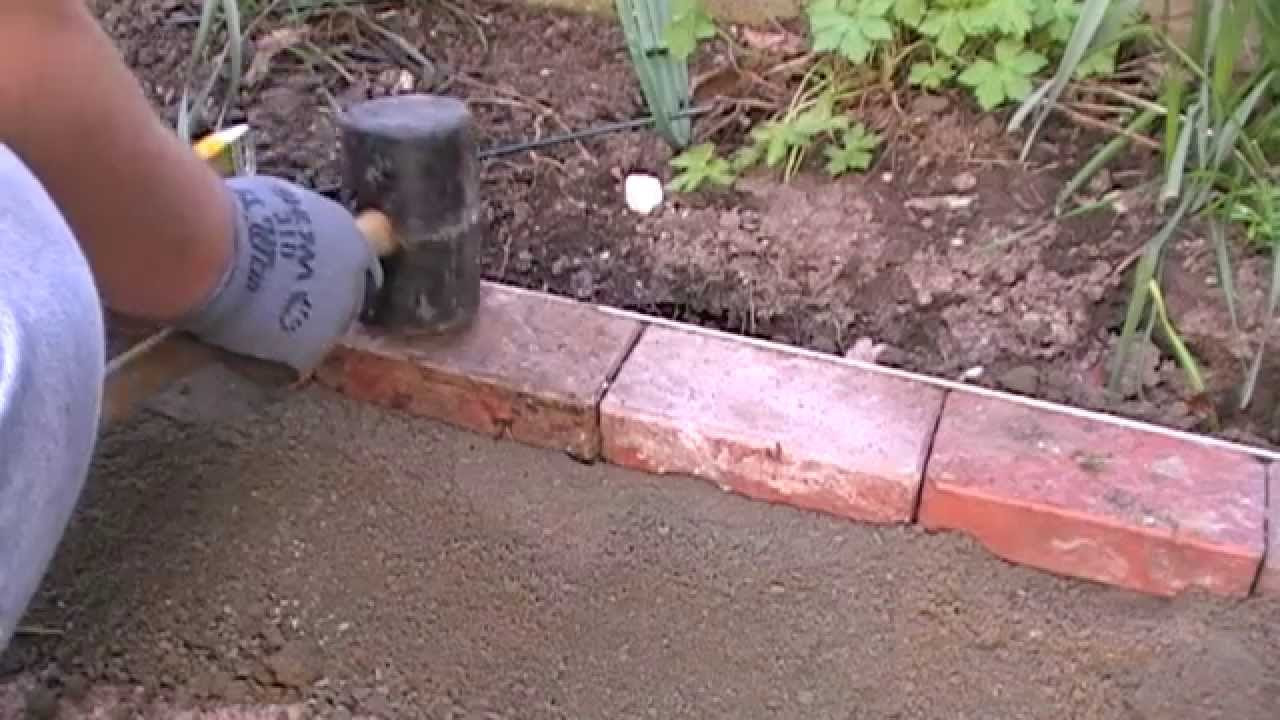
Interlock is not magic. Pavers require confinement. Plastic or aluminum side restrictions set on the compacted base, not on the bed linen sand, hold form against seasonal cycles and foot traffic. Spike them every 8 to 12 inches with 10 inch spikes, tighter on curves. Neglecting or stinting edging is the quiet factor patterns sneak and joints open. If you favor a poured concrete visual, place it against the compressed base with enough size and rebar where frost is a concern. I prevent tight mortared edges for long curves, they split and afterwards pinch the field.
Bedding sand: one inch means one inch
The bed linens layer is not a cushion, it is a leveling airplane. Screed a true one inch of sharp concrete sand or ASTM C33 sand over the compacted base. Do not make use of stone dust or screenings as the bedding layer. They hold water, pack too hard, and can pump under lots, becoming a slurry throughout heavy rains. The demand to feather sand to absolutely no at transitions tempts many installers to lay thicker sand or to float pavers right into soft locations. Both choices bring about settlement. If you need to bridge to a fixed elevation, readjust base elevation, not the bedding.
Pattern alignment and soldier courses
A pathway invites your eye to comply with the edges. Uneven borders or straying pattern lines read as sloppy also if the surface is flat. Establish a straight or gently bending recommendation line with a string and gave up it. A border, occasionally called a soldier course, requires full confinement and consistent disclose. Reducing boundaries from area pavers can work, yet it is easy to wind up with slivers. If your strategy presses you toward cuts much less than a third of a paver, change the pattern or the width. I like a contrasting border shade on long terms given that it hides tiny variances and produces a mounted look.
Cutting easily and regulating joint width
Poor cuts do not just look poor, they widen joints that after that lose sand and assistance. Make use of a damp saw or an excellent quality stonework saw with a diamond blade. Dry cutting clouds the site and overheats blades, which reduces you and warps the cut. Maintain joint sizes limited and constant, frequently in the series of 1/16 to 1/8 inch for many interlocking systems, unless the maker specifies otherwise. When joints open to 1/4 inch or even more, you welcome washout and weed growth.
I have taken care of paths where every edge rock was munched with a carve. Those harsh sides collect polymeric sand on the surface throughout activation and leave a long-term haze. A minute saved in reducing prices an hour in clean up.
Using polymeric sand at the correct time, in the right way
Polymeric joint sand has actually altered upkeep cycles right, yet it penalizes rushing. Sweep the surface area thoroughly before filling joints. Shake pavers with a plate compactor utilizing a protective pad to resolve sand into the joints, after that cover up and compact again. Only when joints are loaded and the surface area is spick-and-span should you trigger with water. Use a soft shower, not a jet, in 2 to 3 light passes that completely damp the joints without merging water. Flooding blows polymers out and streaks the surface area. Straight sunshine and hot pieces accelerate activation, so readjust your timing. Cold weather requires longer remedy times. Producer instructions differ, and I follow them closely.
Compaction strategy for the area and the finish
Compact the pavers with a plate that has enough weight to move the area without babbling, and utilize a urethane pad to stay clear of scuffing. Operate in overlapping passes, adjustment direction, and do not skip the edges. Numerous beginners portable once, fill sand, and call it done. I choose a preliminary hand down tidy pavers, a first sand fill, a second compaction, top up, after that a last light pass. The duplicated resonance weaves the system together and drives sand more deeply.
Beware of over compaction on thin or vulnerable stone pavers. Some all-natural rocks in the 1 to 1.5 inch variety need different handling than concrete interlock, including lighter equipments and even rubber clubs on tiny patches, and they might not belong on frost energetic soils without a strengthened base.
Color blending and whole lot control
Concrete pavers differ somewhat between pallets. If you lay one pallet each time, shade banding will certainly show throughout the course. Draw from three pallets at once in a triangular turning, specifically with tumbled or variegated blends. On a long, straight path, that mix is the distinction in between a crafted, affordable paver installation Walnut Creek natural look and stripes that howl manufacturing haste.
Weather home windows and season timing
Pavers go down in numerous problems, however the invisible layers hate extremes. Do not screed and lay bedding sand in the rainfall. It turns to porridge and you will chase grade all mid-day. Likewise, scorching sun dries out sand in advance of you and makes joint activation challenging. In freeze season, the subgrade can thaw throughout the day and refreeze during the night, which damages bond and leaves an incorrect feeling of thickness. If you should install late in the year, see over night lows and shield your deal with protected blankets over fresh polymeric joints.
Transitions to steps, limits, and driveways
Walkways touch structures. Where pavers meet an action or a threshold, prepare for expansion and drain. A tiny space with a versatile sealer at a door saddle keeps water out of the house framing. At driveway linkups, blend the paver incline so automobiles crest without scuffing, and match the base depth to the much heavier lots class of a Driveway Paving Setup. For a traveler vehicle driveway on comparable soils, I normally excavate 10 to 12 inches to permit 6 to 8 inches of compressed base, and I raise base stone quality assurance. Loaning driveway approaches for a pathway is hardly ever inefficient. Going the other means is where failures start.
Accessibility, comfort, and code awareness
A stunning pathway that journeys your guests is not a success. Keep running inclines comfy. Stay clear of abrupt height changes in between pavers, referred to as lippage. Aim for a flatness tolerance around 1/8 inch over 10 feet for pedestrian convenience, tighter at doors. Where you expect rolling tons like wheelbarrows or carts, lower joint sizes and select pavers with diagonal sides that direct wheels as opposed to capturing them. Neighborhood codes might govern increase and run near public sidewalks, frost protection depth for surrounding grounds, or problems from property lines. Check when, install once.
Planting beds and mulch become part of drainage
Mulch slides downhill in the very first tornado and blockages joints at path edges. Edge your beds with a reduced curb or establish the paver edge an inch higher than the adjacent dirt and mulch. Where grass meet the course, maintain the completed paver altitude somewhat above turf so grass trimmings do not clean in with every cut. Geotextile fabric under compost near the path reduces penalties movement into joints.
Tools that silently elevate your game
You can lay a small course with a shovel, 2 pipes, a straight side, a hand tamper, and a saw. A few upgrades spend for themselves in time and quality. A compact plate compactor with adequate mass to issue, a urethane pad, multiple-use screed rails, and a damp saw with a tidy water supply make a noticeable difference. I maintain a rigid 6 foot degree for fast grade reviews, and a laser when the course goes across intricate terrain. An easy rubber paver floor covering under your knees maintains you from rushing during layout and block placement.
Common faster ways that backfire
Cutting edges looks effective till you revisit the site. I have actually seen installers miss side restrictions since the border abutted a yard bed, only to get a service warranty call when the boundary crept an inch into the mulch. I have actually seen bedding sand laid thick to speed up leveling, then saw the pavers settle almost everywhere hefty feet landed. A team that impacts off the surface area before polymeric activation conserves ten mins and gets an irreversible haze. The pattern repeats: time saved throughout setup comes out of maintenance later.
Maintenance planning starts at installation
If you define a light colored paver under a leaf-dropping tree, you will be called about stains every fall. If you position a walkway in a reduced, shaded location, moss will discover it. Pick pavers and sealants with the life of the website in mind, and explain to the proprietor just how to preserve joints and clean surface areas. A mild yearly rinse, a top up of joint sand every few years where web traffic is hefty, and a fast weed pull at sides avoids pricey overhauls. Leave a solitary extra box of pavers in the garage in instance a future plumbing opens up a trench.
When the task shifts from pathway to driveway standards
Some pathways double as service paths for lawn mowers or shipment carts. If you expect anything larger than normal foot web traffic, bump the develop. Consider thicker pavers, a stronger base, and included edge restraint. Borrow directly from Driveway Paving Installation methods for any kind of area that can see a car, even if that is unusual. A site visitor who parks two wheels on your garden path should not split your work.
Hiring help or going DIY
Many homeowners can deal with a little, straight-run walkway if they are patient and detail oriented. The initial work will take twice as long as you expect. Bring in a pro if the strategy includes complicated curves, staircases, or serious drain difficulties. Professionals add value you do not see, like reviewing dirt in a shovel inside story and noticing the water line that need to be sleeved prior to compaction. paver driveway Walnut Creek If you hire, ask to see a project that is at least 3 winters months old. New work always looks excellent. Age reveals craft.
A portable pre-install checklist
- Confirm slope away from frameworks at approximately 2 percent and establish referral lines. Mark and protect energies, irrigation, and origins to be preserved. Excavate to fit base, bed linens, and paver density, after that small subgrade. Install side restraint on the base, not sand, and stake appropriately. Screed a true one inch bed linen layer with clean concrete sand.
Troubleshooting indications and what they typically mean
- Wavy surface area within a year commonly points to not enough base depth or bad compaction in lifts. Puddles after light rainfall suggest inadequate incline or anxieties from thick bed linen sand. Border drift right into beds generally indicates missing out on or inadequately secured side restraint. Joint sand loss and weeds reveal large joints, incorrect polymeric activation, or water drainage cleaning across the surface. Color banding along the length of the path normally indicates pallets were not blended throughout installation.
A quick case instance from the field
We constructed two walkways on the same block in late spring. One house owner desired a fast, affordable refresh over a resolved crushed rock path. The various other approved an appropriate excavation and base. The very first had 3 inches of compressed base and a generous bed linen layer to hide subgrade abnormalities. The 2nd had 6 inches of base in compacted lifts, geotextile over a clay subgrade, edging bet on the base, and very carefully activated polymeric sand. By November, leaves tarnished both paths just as, however just one held a pool where the mail carrier stepped all summer season. After a winter with three freeze thaw cycles and a February rainfall, the fast work showed a superficial trough and a gapped border near the bed. The far better build still reviewed like a solitary aircraft from step to suppress. Same brand name of paver, same pattern, different regard for the hidden layers.
The silent throughline: determine two times, compact 3 times
Interlocking systems are forgiving if you appreciate the principles. A lot of failings I see are not exotic. They come from shallow digs, loose bases, missing edging, careless inclines, and hurried sand work. When you treat a walkway like a system instead of a veneer, it serves for decades. Set the quality for water, separate dirts from stone, portable in honest lifts, restrict the field with correct bordering, maintain bed linen sand thin and real, and activate joints with treatment. Those are not trade secrets, just great practices you can safeguard with your body of job three winter seasons from now.